
Crawl Space Moisture Control in Wake Forest, NC
Moisture control is a diagnosis rather than a product. Four things put water into a crawl space, they look much alike from the hatch, and each is fixed by different work. The diagnosis is what stops you paying for this twice.
Who handles crawl space moisture control in Wake Forest, NC?
Wake Forest Crawl Space Solutions arranges crawl space moisture control across Wake Forest and northern Wake County — establishing the source with readings, then specifying ground cover, drainage, sealing or mechanical drying to match it. Call (919) 925-4696 to arrange an evaluation.
Where the water is coming from, and how the house tells you
The same four sources are in play under every house. What differs in Wake Forest is which one you are most likely to have, and that tracks the age of the foundation more than anything else.
- Bare earth, under an older foundation. Original crawl spaces frequently have no ground cover at all, or a fragment of one laid decades ago. Where that is the case it is almost always the biggest single contributor, and the cheapest to remove.
- Vent air, under any foundation. Universal in this climate and largely independent of the building's age. Sealing and drying addresses it; more ventilation does the opposite.
- Liquid water, usually via changed grade. Under newer construction this is normally a discharge problem. Under older houses it is more often a century of accumulated landscaping quietly reversing the fall the house was built with.
- A supply leak, anywhere. Independent of everything else and worth eliminating first, because no liner or drain has ever fixed a pipe.
Season is the cheapest test you have
When the space is wet tells you most of what you need to know. Wet for a day or two after heavy rain is liquid water. Wet right through July and August regardless of the weather is humid air.
It costs nothing but paying attention across one summer, and it will stop you buying a dehumidifier to solve a drainage problem — a purchase that runs continuously, costs money every month, and never wins.
Matching work to source
Once the source is settled, the specification follows from it.
- Ground only. A liner over the earth may be the whole job — see <a href="/vapor-barrier-installation/">vapor barrier installation</a>.
- Air, dry floor. Sealed vents and rim joist plus a drying method under R409.5.
- Liquid water. Drainage first — see <a href="/crawl-space-waterproofing/">waterproofing</a>.
- More than one. Common, and sequenced: water, ground, air, drying. Out of order and later work undoes earlier work.
What gets measured, and why it matters later
Moisture content on joists, girders and subfloor at several points. Relative humidity in the space. Condition and coverage of any existing ground cover. Where water enters, if it does. Whether a gas appliance is vented into the space, which limits how it can be sealed.
On an older house those readings do a second job: they separate framing that is currently wet from framing that was damaged long ago and has since dried. Those look similar and mean completely different things for what you should spend.
Why summer, not rain, is the tell here
Wake Forest sits in a humid subtropical climate, with long stretches of warm, moisture-heavy air from late spring through early fall. So a crawl space here is frequently at its worst in the middle of summer rather than immediately after a storm.
Most homeowners expect the reverse, which is why the humid-air source goes unrecognized for years — and why the instinct to open more vents in August is exactly backwards.
Crawl Space Moisture Control questions
Will a dehumidifier alone fix it?
Only in a space that is already sealed and dry underfoot. In a vented crawl space a dehumidifier is dehumidifying the outdoors — it runs constantly and loses. It belongs at the end of the sequence, sized against the load left once the ground is covered and the vents are closed.
Would more vents help?
No. This is the most common misunderstanding in the subject and it makes things actively worse. Vents bring in the warm moisture-laden air that is condensing on your cool surfaces. They are the delivery route, not the escape route.
How can I tell old damage from current damage?
Moisture readings. Framing that was soaked years ago and has since dried reads normal now even though it looks bad, while framing that is actively wet reads high whatever it looks like. That distinction changes what is worth repairing, and it is the single strongest reason to insist on numbers.
What humidity should the space sit at?
Low enough that framing stays below roughly 20 percent moisture content, where fungal growth becomes possible. Most contractors work to a relative humidity in the fifties, held steadily — a space swinging from 40 to 80 across a week is not controlled even if the average looks acceptable.
Related crawl space services
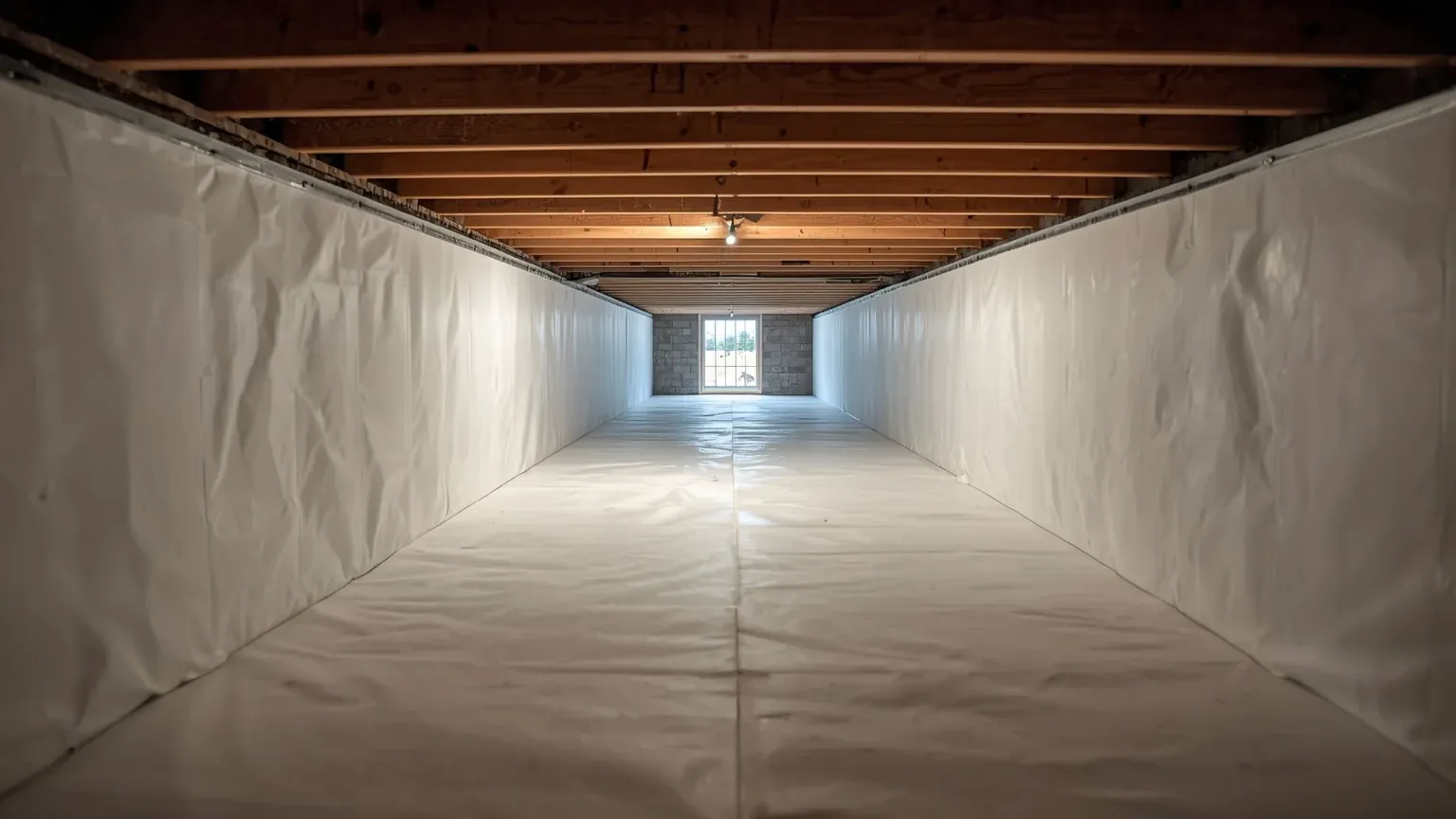
Crawl Space Encapsulation
Sealing and drying the space — scoped to what your clearance actually allows.
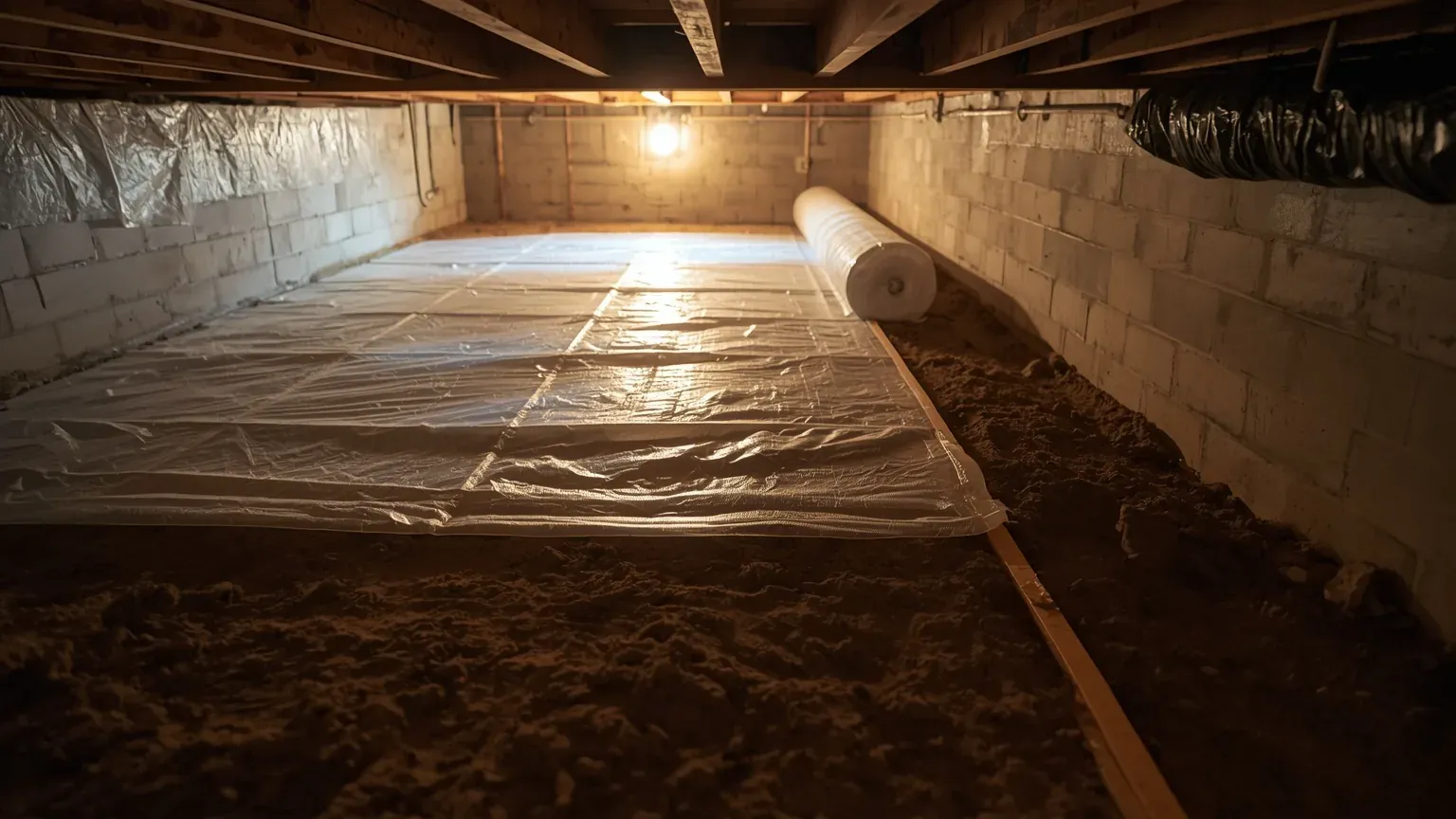
Vapor Barrier Installation
Covering the ground to the R409 spec — often the best-value move on a tight older crawl space.
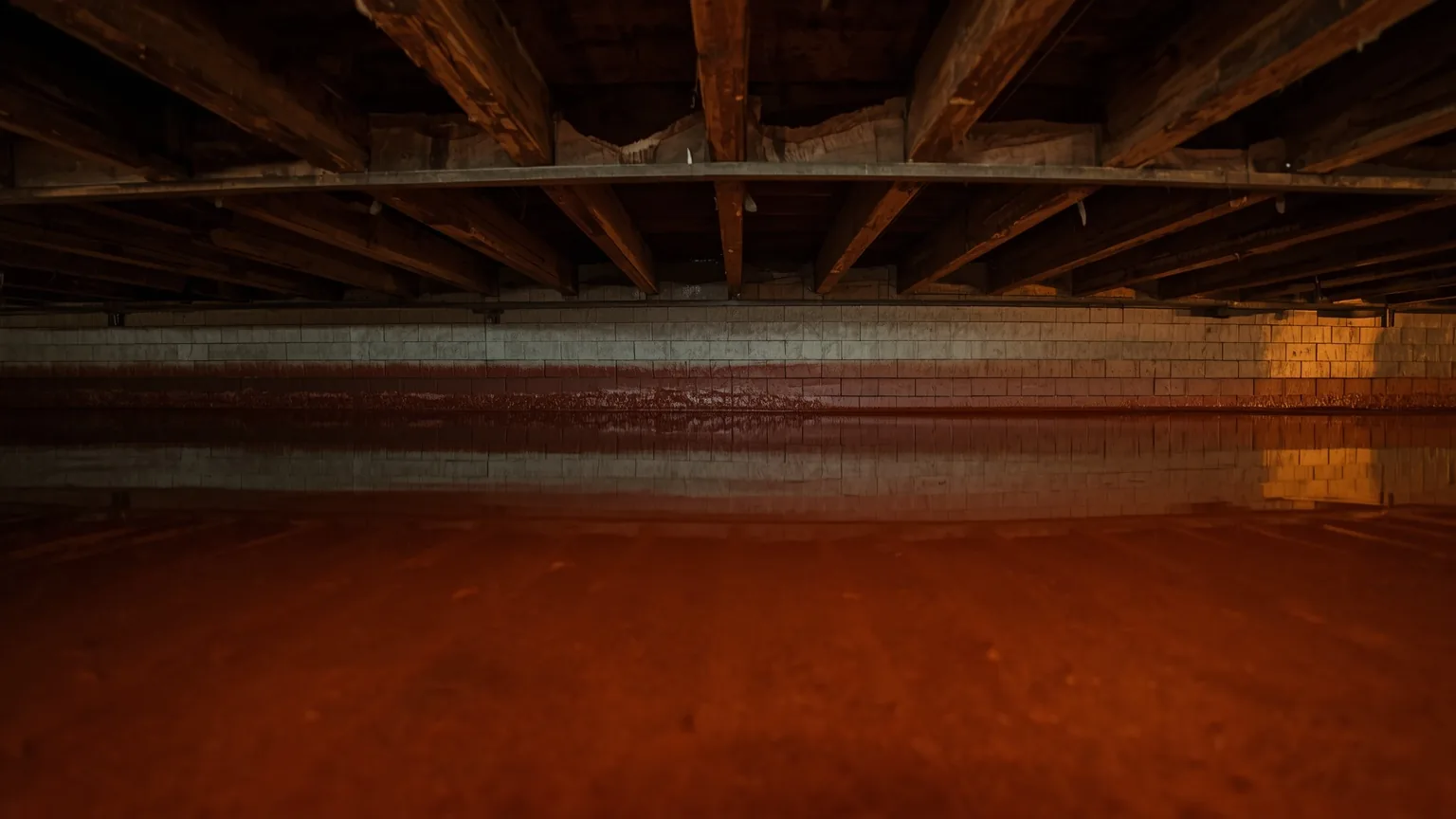
Crawl Space Waterproofing
Liquid water traced to its actual route in — then stopped, before anything is sealed.
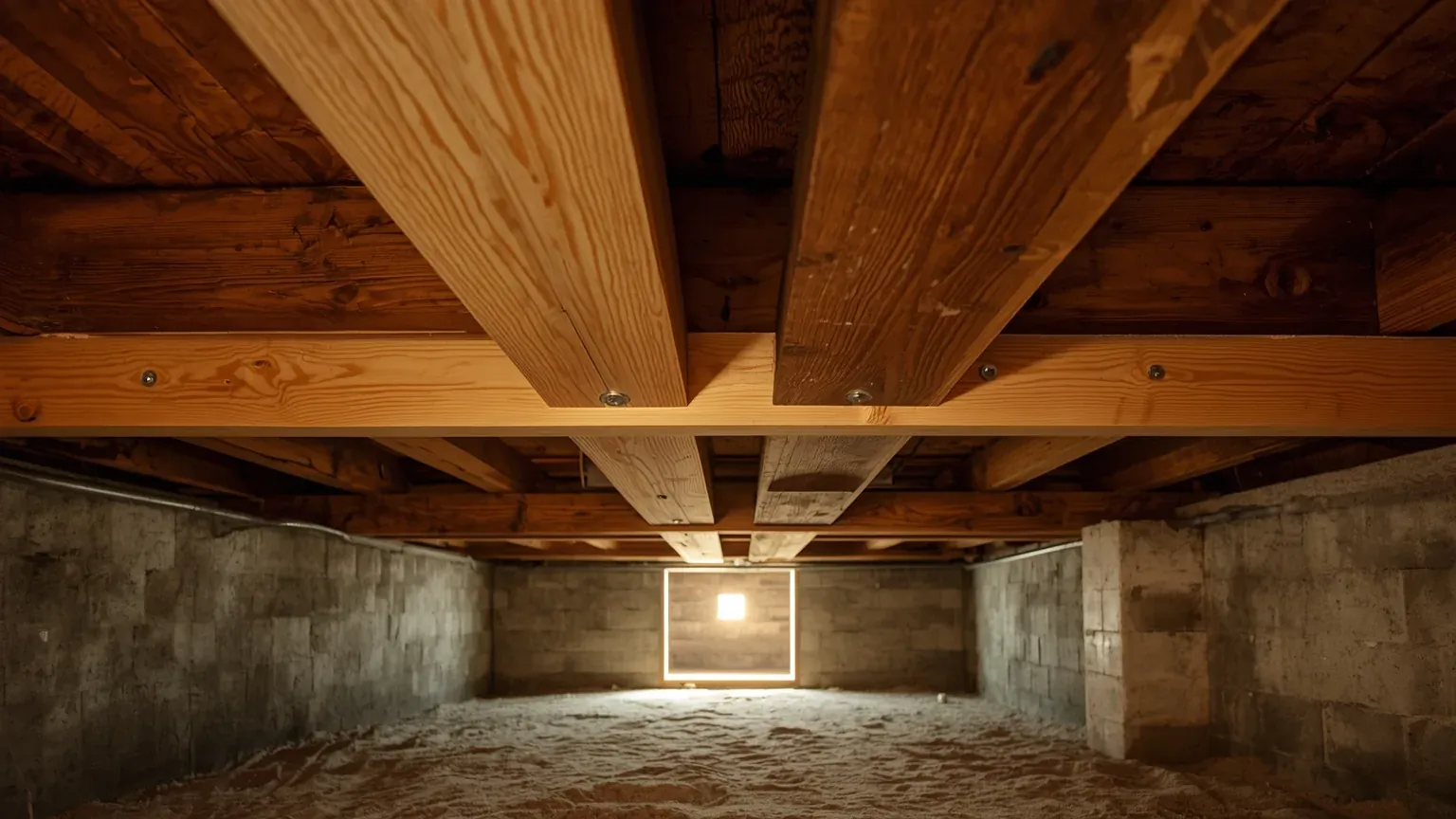
Crawl Space Repair
Telling active movement from old settlement — before anything gets jacked or replaced.
Find out what is actually causing it.
Someone under the house, moisture readings taken, and the scope written down before a price is attached.