
Crawl Space Repair in Wake Forest, NC
Older houses move, and some of that movement is historic and settled. The question worth answering is which part of what you are feeling underfoot is old news and which part is still getting worse — because only one of those is worth spending money on.
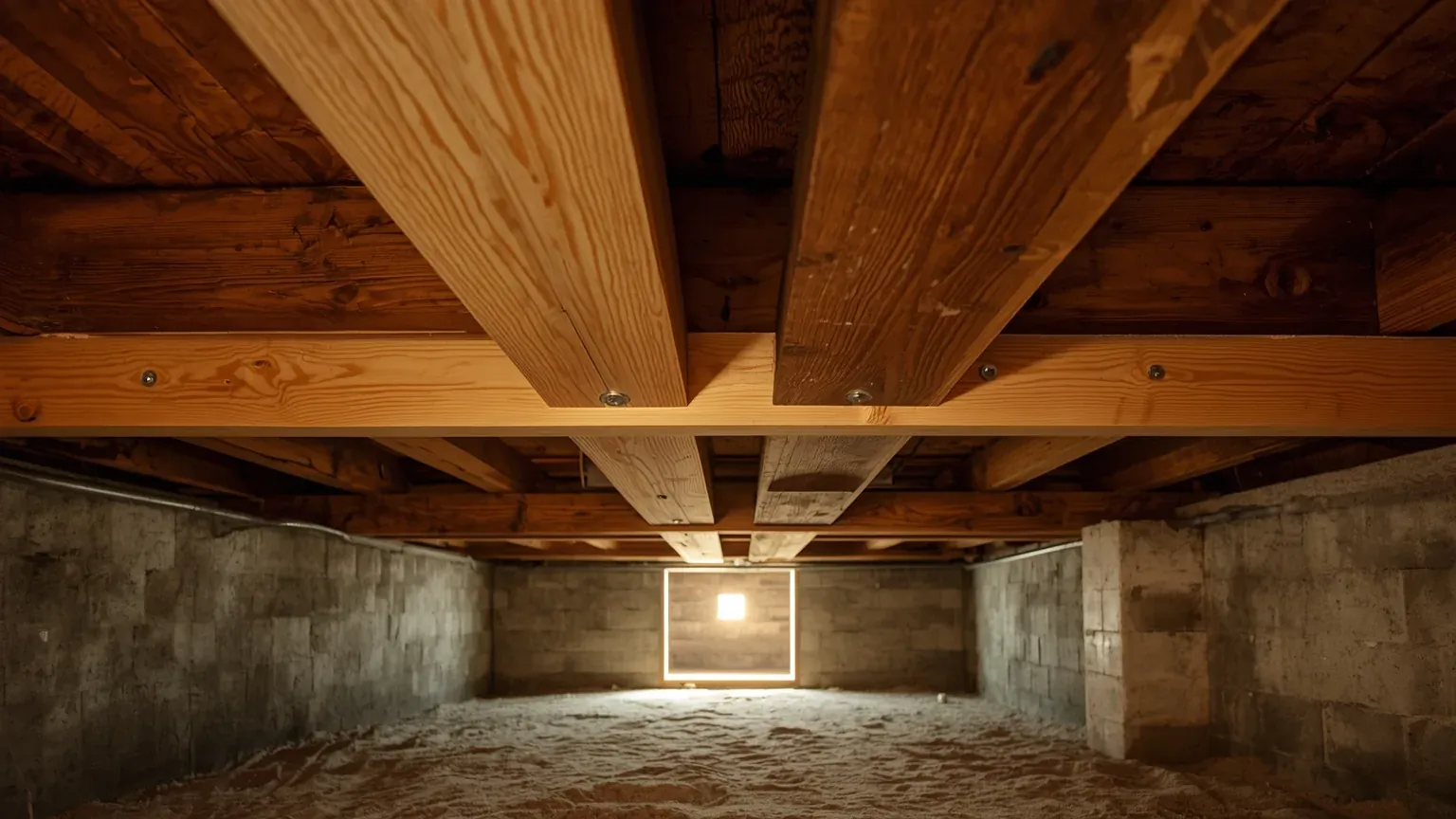
Who handles crawl space repair in Wake Forest, NC?
Wake Forest Crawl Space Solutions arranges crawl space structural repair across Wake Forest and northern Wake County — framing and supports assessed with moisture readings, and a written scope that addresses the water source before the damage it caused. Call (919) 925-4696 to arrange an evaluation.
Old movement versus active movement
This distinction matters more here than in newer housing stock, and almost nobody explains it.
A house built a century ago has usually done most of its settling. A floor that slopes gently and has sloped that way for decades, with no fresh cracking and no soft framing underneath, is often a characteristic rather than a defect. Leveling it can cost a great deal and disturb finishes that were fine.
Active movement is different, and it leaves evidence: framing that reads wet, fungal growth that is spreading rather than historic, a support visibly off its bearing, cracks with clean edges that have opened recently. That is what warrants repair, and the evaluation should tell you which of the two you have rather than quoting both the same way.
What the symptoms usually mean
- Springy floors. Framing that has lost stiffness — moisture-damaged joists, a settled support, or spans that were adequate for the original loads and are marginal now.
- A localized dip. Points at a support rather than at the framing generally. On older houses this is often a pier that was set on inadequate footing, or none.
- Insulation on the ground. Where insulation was retrofitted into an older crawl space, it absorbs moisture, gains weight and lets go. A humidity symptom, not a fastening one.
- Musty air upstairs each summer. Crawl space air reaching the living space. Seasonal timing points at humidity rather than at a leak.
- Doors out of square. Movement somewhere. Worth establishing whether it is current or long-settled before anything is done about it.
Why moisture comes first regardless
Wood begins supporting fungal growth at roughly 20 percent moisture content, and framing is destroyed by months above that line rather than by any single wet week. New framing installed into an unchanged environment fails the same way the original did, just starting later.
So the order is: establish the water source, stop it, repair what it damaged, control the humidity that remains. A structural quote silent on moisture is quoting the half that comes back.
The repairs themselves
- Sistering a joist. A new member fastened alongside one that has lost capacity but retains sound section. Less disruptive than replacement and appropriate more often.
- Replacing framing. Where decay runs the full depth or sits at the bearing point. A judgment made on the member with a probe, not from a price list.
- Rebuilding supports. Original piers reset or replaced on adequate footings. Common on older houses and frequently the actual cause of a dip.
- Subfloor sections. Localized replacement where sheathing has softened, usually around a long-running leak.
- Insulation removal. Wet fiberglass is not salvageable and comes out before anything is sealed. A genuine line item worth seeing itemized.
When to call
A gentle long-standing slope with dry framing is worth an evaluation, not an emergency. Call promptly for fungal growth spreading across framing, a support visibly off its bearing, or standing water still present days after rain.
And ask for the readings. A structural proposal that arrives as a number with no account of what was measured cannot be checked afterwards, on an old house or a new one.
Why older foundations need a different read
Under the older houses near the town center, crawl spaces tend to be shallow and irregular, built on piers set to the standards of their day. Northern Wake County sits on Piedmont crystalline rock that weathers into deep saprolite, and a pier bearing directly on that clay-rich material without an adequate footing has a long time to find its level.
That is why a dip in an older Wake Forest floor deserves an actual diagnosis rather than an assumption. The framing may be perfectly sound and the support underneath it may simply have moved — which is a much smaller repair than the one people brace for.
Crawl Space Repair questions
My old house has always had a sloping floor. Do I need to fix it?
Not necessarily. Long-settled movement with dry framing and no fresh cracking is often a characteristic of the house rather than an active defect, and leveling it can cost a lot and disturb finishes that were fine. What matters is whether it is still moving — which readings and a look at the supports will tell you.
Are original brick piers a problem?
Not inherently. Plenty are doing their job perfectly well after a very long time. What causes trouble is a pier set on inadequate footing, one that has taken sustained moisture, or one that has been undermined by water moving under it. Each is a specific finding rather than a reason to replace everything down there.
Can I just replace the insulation?
You can, and it will come down again. Fiberglass falls because it absorbed moisture and got heavy, so unless the humidity is dealt with, new batts are a consumable expense. Fix the moisture and the insulation stays up.
How do I know a repair actually worked?
Ask for moisture readings before the work and again a month or two after. Ask what each support was reset on. Numbers taken at the start are the only thing that lets you check the finish — which is the strongest argument for insisting on them.
Related crawl space services
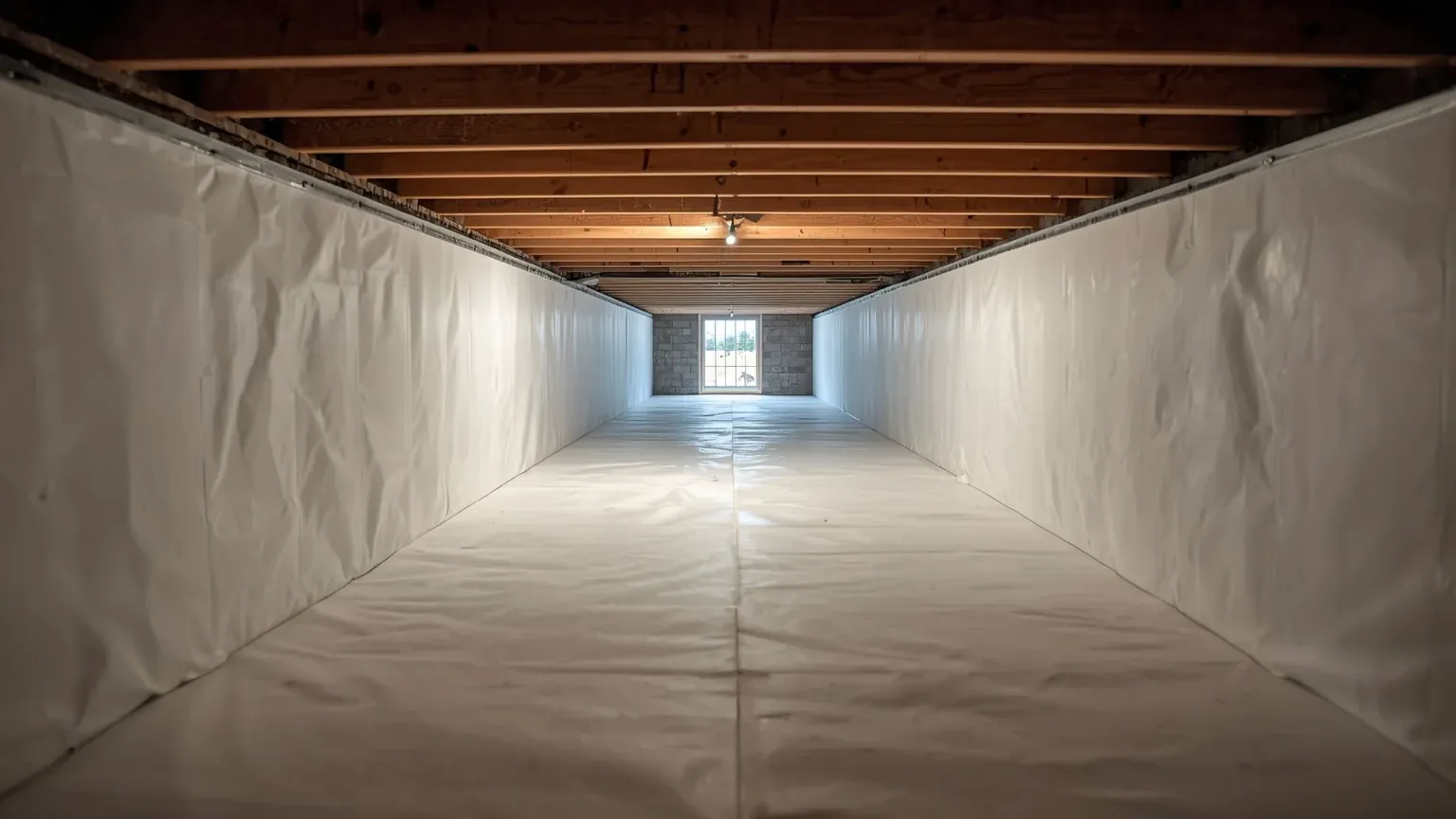
Crawl Space Encapsulation
Sealing and drying the space — scoped to what your clearance actually allows.
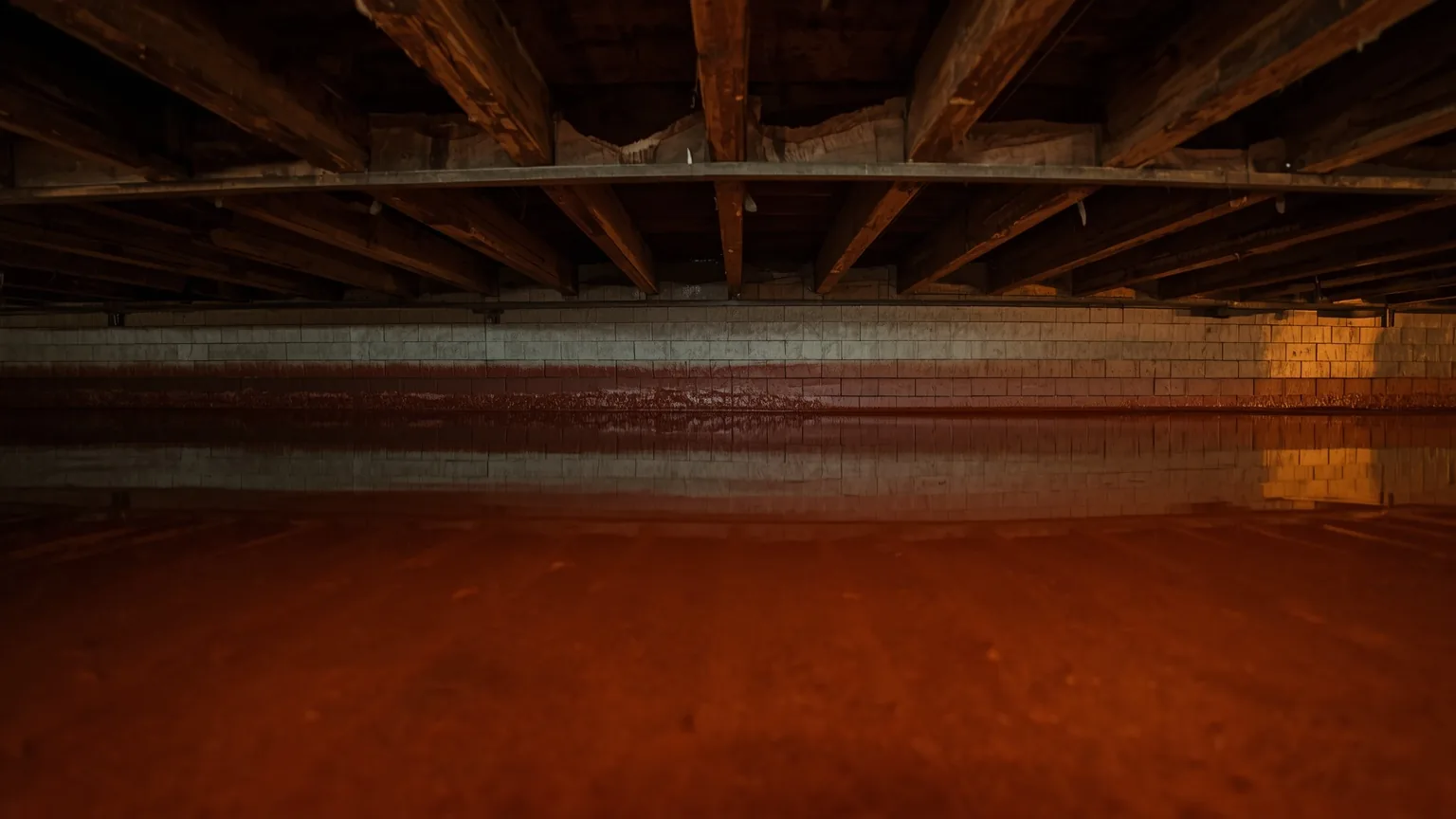
Crawl Space Waterproofing
Liquid water traced to its actual route in — then stopped, before anything is sealed.
Crawl Space Moisture Control
Which of four sources you actually have, and what that means you should buy.
Crawl Space Cost
What drives the figure here — clearance, access — and the six questions that make quotes comparable.
Find out what is actually causing it.
Someone under the house, moisture readings taken, and the scope written down before a price is attached.